
Wired vs Wireless Security Cameras: Which System Should You Choose? (2026)
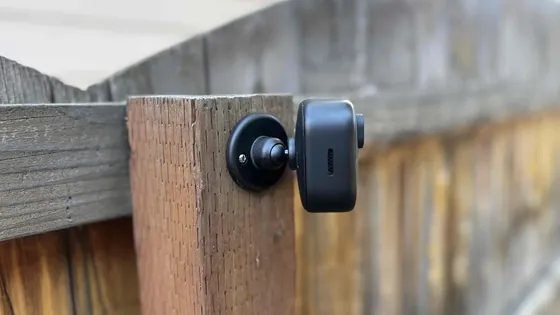
Table of Contents
A 32-camera warehouse goes live with WiFi cameras, and by week two three units drop every night at 2 a.m. The fault is not the hardware. It is shared airtime, wall loss, and an access point that hit its client limit. A wired PoE system fails differently: a cable fault you trace with a tester in minutes, not an RF ghost you chase for days. This guide compares the wired security camera against the wireless security camera for buyers who spec real sites. Typical numbers throughout, no vendor claims.
This guide gives you a decision rule. Choose wired when the site is fixed and the budget allows cable work. Choose wireless when speed and flexibility beat link guarantees. We compare reliability, installation, bandwidth, power, expansion, cost, scenarios, and maintenance. We also cover the hybrid option and a 5-year cost table for 4, 8, and 32 cameras. By the end you can pick the right architecture from a supplier quote without a pilot failure.
Keep reading for more!
The Snapshot
- Wired PoE: one Cat5e/6 cable carries power and data; typical max run 100m (328ft); a 4MP camera draws under 7W.
- Wireless: no cable to the camera, but video shares airtime; budget 2-4 Mbps per H.265 camera and keep signal above -60 dBm.
- Reliability: a wired link is typical 99.9%+ uptime; a WiFi link depends on placement, band, and interference.
- Install time: 4 cameras on WiFi take about 1-2 hours; 4 cameras wired take about 4-8 hours for two people.
- Cost: 8-camera systems land in the same range either way; typical $900-1,700 wired vs $800-1,500 wireless over 5 years.
What Is a Wired Security Camera (PoE)?
A wired security camera connects to the network with an Ethernet cable. Power over Ethernet (PoE) sends power and data down the same cable, so the camera needs no wall adapter. Standards matter here. IEEE 802.3af delivers up to 15.4W per port, typical 12.95W. IEEE 802.3at (PoE+) delivers up to 30W for PTZ, heater, or full-color floodlight cameras. This is why integrators call the best wired security camera systems the backbone of commercial CCTV.
1. PoE in practice
Each camera needs one Cat5e or Cat6 run to a PoE switch or a PoE NVR. A typical 8-port PoE switch with a 120W budget powers eight 4MP cameras with headroom. Distance is the hard limit: 100m (328ft) maximum per run. Beyond that, add a mid-span PoE extender or a second switch. Plan conduit, junction boxes, and drip loops before you pull cable.
PoE budget math is simple. Add the maximum draw of every camera, then leave 20% headroom on the switch. A typical 4MP camera draws 6-12W depending on IR LEDs and heaters. Full-color cameras with floodlights sit at the top of that range. For one distant camera, a mid-span PoE injector beats a second switch.
2. Why wired wins on stability
A dedicated cable is a dedicated link. No neighbor network competes for it, no wall attenuates it, and no firmware update reconfigures it. Faults are physical and findable. A cable tester locates a bad termination in minutes. That traceability matters in B2B projects where a client wants proof the system is sound. For network isolation, put cameras on their own VLAN and enable 802.1X where the switch supports it.
What Is a Wireless Security Camera (WiFi)?
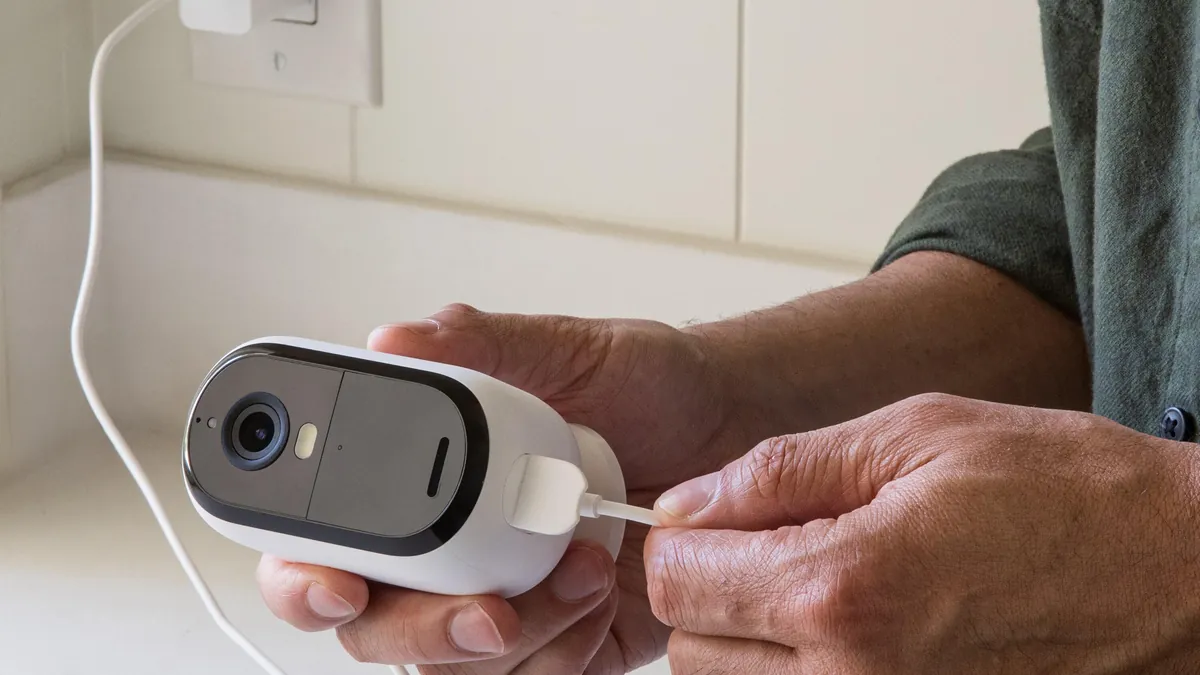
A wireless security camera replaces the Ethernet cable with a built-in radio (IEEE 802.11b/g/n/ac/ax). Video is encoded in the camera and streamed over WiFi to an NVR, an app, or an SD card. Important: wireless describes the video link only. The camera still needs power, from an adapter, a battery, or a solar panel. Buyers searching for the best wireless security camera without subscription usually mean a model with local storage and free P2P remote access. No cloud fee, no monthly bill.
1. Signal physics you cannot negotiate
Radio links obey physics. A typical drywall wall costs 3-5 dB of signal; concrete costs 15-25 dB. The 2.4GHz band reaches 30-60m indoors but offers only three non-overlapping channels (1, 6, 11). The 5GHz band is faster and less crowded but loses far more signal through walls. Every camera on one access point splits the same airtime. A practical rule: 4-8 cameras per access point, and keep the received signal above -60 dBm.
2. What wireless still requires
Wireless security cameras with local storage keep footage on an SD card, typical 128-256GB, which is the no-subscription path. Network security is non-negotiable: enable WPA3, disable WPS, and never port-forward to a camera. Use P2P or a VPN for remote access. Do wireless cameras need WiFi? Most do. The exceptions are 4G and some solar models. Wireless camera installation is fast: mount, pair, place. That speed is the product.
Wired vs Wireless: 8-Dimension Comparison
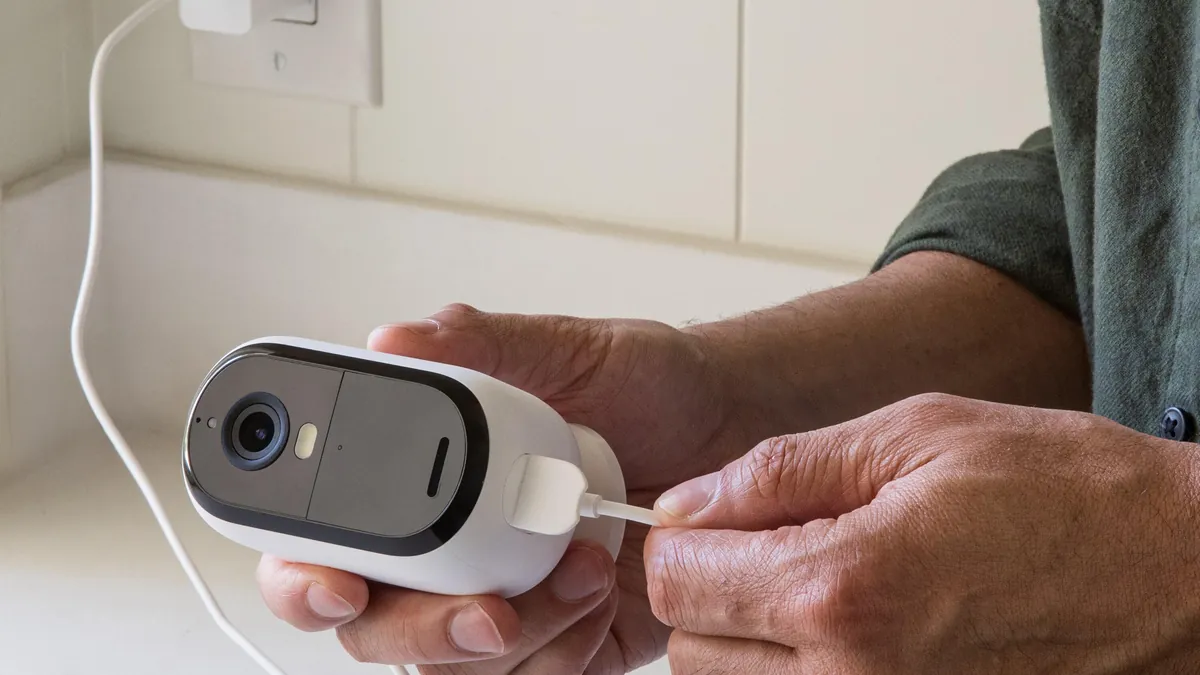
The wireless cctv camera vs wired question comes down to eight dimensions. The table below is the short version; the notes after it are the long version. Data marked typical reflects common deployments, not marketing maxima.
| Factor | Wired (PoE) | Wireless (WiFi) |
|---|---|---|
| Reliability | Dedicated cable; typical 99.9%+ link uptime | Shared airtime; dropouts from walls, congestion, AP limits |
| Installation | Cable run per camera; 4-8 hours for 8 cameras | No cable; 1-3 hours for 8 cameras |
| Bandwidth | Full camera bitrate on LAN; 4MP H.265 about 2-4 Mbps | Same bitrate over air; capacity divides across clients |
| Power | PoE from switch or NVR; no adapter at camera | Adapter, battery, or solar at every camera |
| Expansion | Add cameras to switch ports; 100m per run | Add clients to AP; more cameras, more congestion |
| Cost | Typical $35-90 per camera plus cable and switch | Typical $40-120 per camera; no cabling |
| Best scenarios | Fixed sites, perimeters, retail, warehouses | Rentals, retrofit, temporary sites, quick adds |
| Maintenance | Cable faults traceable with a tester | RF issues need site survey and re-tuning |
The poe vs wifi camera decision is rarely about video quality. Both can deliver 4MP or 8MP with H.265. The difference is where the link lives. A wired link lives in copper you can test. A WiFi link lives in radio spectrum you share with everything around you. That is why the wifi vs poe camera debate keeps returning to reliability.
A poe camera vs wifi camera comparison at scale settles the argument faster. At 16 cameras, wired cable work pays for itself in stability. At 32 cameras, WiFi needs multiple access points, careful channel planning, and VLAN separation to stay clean. Wired still wins on determinism. Wireless wins when you cannot pull cable at all.
For B2B buyers this is a project decision, not a gadget decision. Run a site survey first. Count mounting points, measure wall materials, and locate power and network drops. Then size the power budget. A 16-port PoE switch with a 250W budget is typical for 16 cameras at 12W each, with headroom for heaters. On the wireless side, count access points before counting cameras. Plan one AP per 4-8 cameras and one survey per floor. Buyers who skip this step pay for it in field returns.
When to Choose a Wired System
Choose a wired security camera when the site is fixed and the walls are accessible. Typical winners: warehouses, retail floors, parking structures, factory perimeters, and any site where footage is evidence. Wired also wins when the camera count is high. A PoE switch with a 250W budget powers about 20 cameras at 12W typical. Add a UPS and the system keeps recording through power cuts.
Compliance pushes projects wired too. A documented cable plant is easier to audit than a radio link. For 802.1X networks, wired ports enforce per-device identity cleanly. If a client asks for continuous recording at 8MP, wired is the safe default. The 100m run limit covers most sites; plan switch locations around it.
When to Choose a Wireless System
Choose a wireless security camera when speed beats certainty. Typical winners: rental properties, construction sites, temporary events, and retrofit jobs where opening walls is impossible. Wireless camera installation takes hours, not days, and the camera moves when the need moves.
Weigh the pros and cons of wireless outdoor security cameras honestly. Pros: no cable, fast deployment, easy relocation. Cons: battery maintenance, signal risk, and shared bandwidth. For outdoor units, mount within range of the access point and test the link at night. Plan one access point per 4-8 cameras, use channels 1, 6, and 11, and put wireless cameras on a separate SSID or VLAN.
Wireless scales with discipline. Every access point is a shared radio. A 32-camera wireless build needs 4-8 access points plus channel planning. That is real engineering, not a plug-and-play story. Budget survey time for any site with more than 8 wireless cameras.
The Hybrid Option: Wired Plus Wireless
The hybrid option is often the strongest project answer. Run PoE for the critical perimeter and WiFi for the areas you cannot reach. One NVR manages both, so operators see a single timeline. A typical hybrid: 16 wired cameras on the switch backbone, plus 4 wireless cameras on a dedicated access point. Keep wireless traffic on its own VLAN so a radio problem never touches the wired streams.
Rules for hybrid systems: never overload one access point, keep firmware versions aligned, and document which camera uses which link. The hybrid path costs a little more in planning and pays back in resilience. Most 2026 integrator quotes mix the two on purpose.
Cost Comparison: Wired vs Wireless
Whether you buy wired or wireless security cameras, the five-year cost lands closer than most buyers expect. Hardware is similar. The difference sits in cabling, labor, power, and maintenance. The table uses typical numbers for an 8-camera system.
| Cost item | Wired (PoE) | Wireless (WiFi) |
|---|---|---|
| 8 cameras, hardware | Typical $350-700 (cameras plus 8-port PoE NVR) | Typical $320-900 (cameras; no switch needed) |
| Cabling and materials | Typical $80-200 (Cat5e/6, connectors, conduit) | Typical $0-40 (mounting only) |
| Installation labor | Typical 8 hours for two people | Typical 2-3 hours |
| Power | One PoE switch, one UPS | Adapters or batteries; battery swaps yearly |
| 5-year maintenance | Rare cable faults; easy to trace | AP upgrades, battery replacement, RF re-tuning |
| Subscription | None with a local NVR | None with local storage; cloud plans typical $3-10 per camera monthly |
| 5-year total, typical | $900-1,700 | $800-1,500 |
Read the table as ranges, not quotes. Labor rates vary by region, and cable runs vary by site. The pattern holds: wireless is cheaper to start and slightly cheaper over five years at small scale. At 16-32 cameras the gap closes, because wired cabling cost amortizes while access point costs multiply.
Quick Answers
Do wireless cameras need WiFi?
Most do. The video link rides your WiFi network, so the camera must stay in range of an access point. Exceptions are 4G/5G cameras and some solar models that use cellular or direct pairing. Recording to an SD card continues even if the internet drops.
What is the best wired security camera for a business?
Look for typical specs: 4MP or higher, IP67 weatherproofing, PoE, H.265, and ONVIF so it joins any NVR. Pair it with a PoE NVR for local recording with no subscription. For a project, prioritize testable cable runs over camera features.
What is the best wireless security camera without subscription?
Choose a model with local storage. Typical 128-256GB SD cards hold 1-2 weeks of 4MP motion-triggered footage. Free P2P remote access replaces the cloud fee. Avoid units that force a cloud plan for basic playback.
Can I mix wired and wireless cameras in one system?
Yes. Most NVRs accept both PoE and WiFi cameras on the same recorder. Keep wireless cameras on a separate SSID or VLAN, and cap each access point at 4-8 cameras. The hybrid setup is a standard commercial pattern in 2026.
The Bottom Line
Wired or wireless, the camera is the easy part; the link is the system. Choose a wired security camera when the site is fixed, the count is high, and footage must be dependable. Choose a wireless security camera when speed, mobility, or cable access decides the project. For most commercial sites, run PoE for the perimeter and WiFi for the edges. Spec the link before you buy the hardware, and the system works for years.
NEXT STEP
Ready to Upgrade to Full-Color Night Vision?
Send us your requirements — our team responds within 24 hours with pricing and lead time.
Written by
Ray ChanCCTV Buyer's Guide Author · Full-Color Night Vision Specialist. Ray helps global importers and integrators source factory-direct security cameras.