
IP Camera vs Analog Camera: Which CCTV System Should You Buy? (2026)
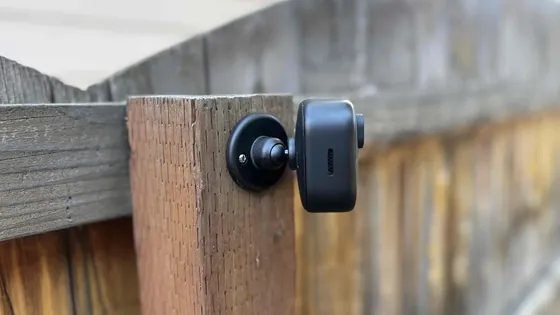
Table of Contents
A plant manager asks for readable license plates at the gate, and a decade-old line of 24 analog cameras returns a blur. 960H resolution cannot capture detail beyond a few meters, and the DVR has no network port for remote review. The sales rep pushes IP, but the coax plant on the wall looks expensive to scrap. This guide compares the ip camera vs analog camera options for factory buyers who must decide this quarter. Typical numbers throughout, no vendor claims.
This guide gives you a decision rule. Choose IP when resolution, remote access, and expansion matter more than the wire already on the wall. Choose analog when the coax works, the budget is tight, and the team can service simple links. We compare signal, resolution, cabling, distance, expansion, cost, maintenance, and night vision across eight dimensions. We add scenario recommendations, a migration path, and quick answers. By the end you can spec a line from a supplier quote with confidence.
Keep reading for more!
The Snapshot
- IP: digital video over the network; typical 4MP-8MP with H.265; one Cat5e/6 cable carries power and data, max run 100m.
- Analog: continuous video over coax; typical 960H standard definition, 1MP-4MP on HD-over-coax (AHD/CVI/TVI).
- Distance: coax runs typical 200-300m; Ethernet stops at 100m unless you add switches or fiber.
- Cost: typical $25-60 per analog camera vs $40-90 per IP camera, before cabling and recorders.
- Migration: a hybrid recorder accepts both signal types, so a full rip-and-replace is rarely required.
What Is an IP Camera?
An IP camera is a network camera. It encodes video inside the unit and streams it over Ethernet to an NVR, a switch, or the cloud. The IP stands for Internet Protocol, the addressing system the camera uses on the network. A typical ip camera system runs 4MP or 8MP sensors with H.265 compression. A 4MP stream needs only 2-4 Mbps of bandwidth. Power arrives on the same cable through Power over Ethernet (PoE), so one run replaces both the video cable and the wall adapter.
1. How an IP line is built
Each camera connects to a PoE switch or a PoE NVR with one Ethernet cable. IEEE 802.3af delivers up to 15.4W per port, typical 12.95W, which covers most fixed cameras. IEEE 802.3at (PoE+) delivers up to 30W for PTZ, heater, or floodlight models. The hard limit is distance: 100m (328ft) maximum per run. Past that, add a mid-span PoE extender or another switch. A typical 8-port PoE switch with a 120W budget powers eight 4MP cameras with headroom.
Power budget math is the same for every quote. Add the maximum draw of every camera, then leave 20% headroom. A typical 4MP camera draws 6-12W depending on IR LEDs and heaters. For 16-20 cameras, a 16-port switch with a 250W budget is the usual choice. Put cameras on their own VLAN, and enable 802.1X where the switch supports it.
2. Where IP earns its price
Resolution is the headline. Typical IP cameras read a license plate at 10-15m where an analog unit cannot. Remote access is standard: the NVR exposes the timeline over an app or web client without a cloud plan. Firmware updates, motion zones, and analytics all live on the network. Expansion is a port, not a cable pull. That is why procurement teams spec IP for new buildings and audit-grade sites.
What Is an Analog Camera?
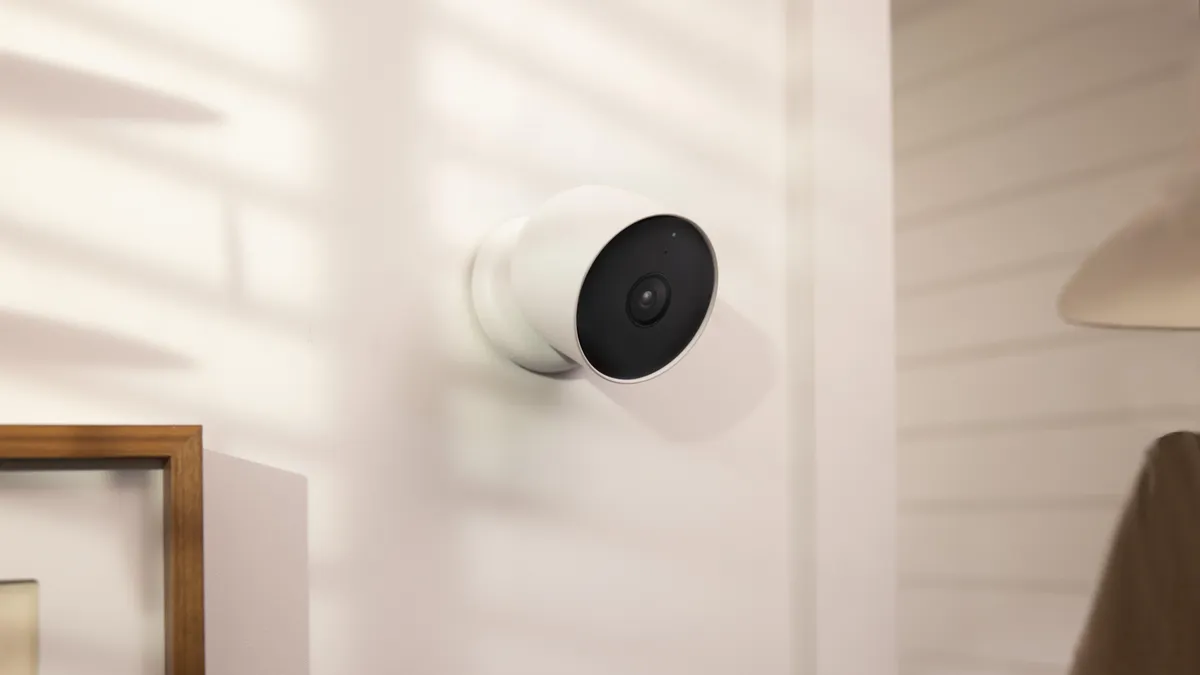
An analog camera transmits a continuous video signal over coax cable to a DVR. The recorder digitizes and stores the stream. The "what is analog camera" question usually gets a one-line answer: video over coax, recorded by a DVR. Standard definition (CVBS) tops out around 960H, which is below 1MP. The newer HD-over-coax formats, AHD, CVI, and TVI, push 1MP-4MP over the same coax. AHD stands for Analog High Definition, and it is the reason old cable plants got a second life.
1. The coax plant
Coax and BNC connectors are the backbone of an analog camera system. RG59 coax carries video a typical 200-300m, about three times the Ethernet limit. Power is a separate 12V DC line or a balun. The recorder side is an analog dvr, sometimes called a coax dvr because every channel maps to one coax run. An analog video surveillance system is simple to service. A bad picture is usually a connector, a power supply, or a camera, and each is cheap to test.
2. HD-over-coax: analog's second life
The "what is ahd camera" search grew because AHD made analog competitive again. An ahd camera keeps the same RG59 run and BNC connector. The DVR decodes the higher resolution at the recorder. A plain "define analog camera" answer now has to mention this: modern analog includes HD-over-coax, not just blurry CVBS. For a distributor, that means the coax stock on the shelf still sells.
IP vs Analog: 8-Dimension Comparison
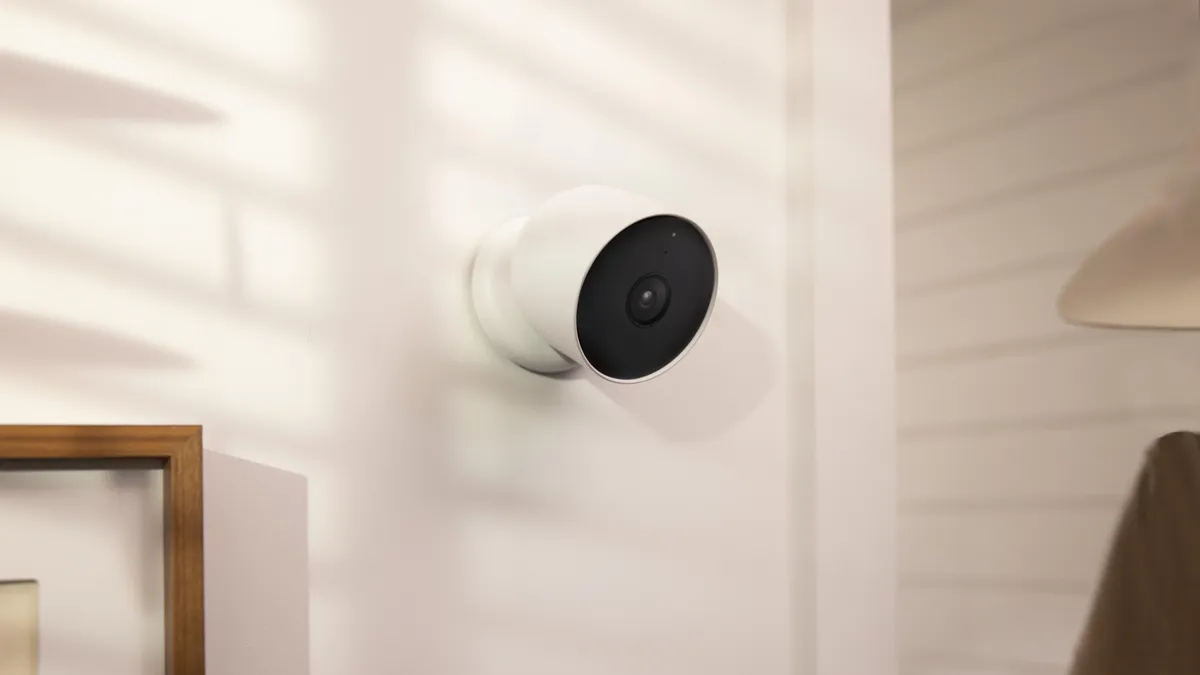
The ip camera vs cctv camera framing confuses people because both words describe the same industry. CCTV simply means closed-circuit television; the question is how the signal travels. The cctv camera vs ip camera question is really the ip vs analog camera question in different words. For buyers weighing analog vs ip security cameras, eight dimensions decide the project. Data marked typical reflects common deployments, not marketing maxima.
| Factor | IP Camera | Analog Camera |
|---|---|---|
| Signal | Digital over Ethernet; ONVIF standard; PoE carries power and data | Analog video over coax (BNC); CVBS or HD-over-coax (AHD/CVI/TVI) |
| Resolution | Typical 4MP-8MP, up to 4K; H.265 compression | Typical 960H standard definition; 1MP-4MP on HD-over-coax |
| Cabling | One Cat5e/6 per camera; power and data in one cable | RG59 coax plus separate power; BNC connectors |
| Distance | 100m per run; extend with switches or fiber | Typical 200-300m over RG59 coax |
| Expansion | Add cameras to switch ports; NVRs scale to 64+ channels | DVR channel count is the ceiling; wiring grows with channels |
| Cost | Typical $40-90 per camera plus switch, NVR, and cabling | Typical $25-60 per camera plus a DVR; coax is cheap |
| Maintenance | Remote diagnostics, firmware, network tools | "Analog camera repair" is simple; faults sit at connectors |
| Night vision | IR typical 20-40m; full-color models with floodlights | IR typical 20-30m; weaker sensitivity in low light |
The analog vs ip camera debate rarely ends in video quality. Both can deliver recognizable night footage with IR. The difference is where the signal lives and what it costs to move. A coax plant is already paid for and runs three times as far. An IP plant costs more per meter but carries power, data, and management in one cable. The "analog camera repair" route keeps old stock alive; the IP route adds remote tools you cannot bolt onto coax.
For factory buyers the decision is a site decision. Run a site survey before any quote. Count coax runs that still test clean, measure distances, and locate power drops. Then size the network side: a 16-port PoE switch with a 250W budget is typical for 16 cameras at 12W each. On the recorder side, most new DVRs and NVRs accept both signal types, which changes the migration math completely.
Procurement teams compare three numbers: price per camera, cost of cabling, and lifetime of the line. Analog wins the first two on existing coax. IP wins the third where resolution and remote operation matter. Quote both on the same site and the spread is usually smaller than the sales decks suggest.
When to Choose an IP Camera
Choose IP when the footage has to stand up in front of a client, an auditor, or a court. License plate reads, facial detail, and 4K coverage of a loading dock are IP territory. IP is the safe default for audit-grade footage. Choose IP for new buildings, for sites that will grow, and for multi-site operations that need remote management.
IP also wins on operations. Firmware updates, motion zones, and diagnostics are remote. VLANs and 802.1X give you per-device identity. A 16-port PoE switch with a 250W budget powers 16-20 cameras typical, and a UPS keeps recording through outages. If the site already has structured cabling, the marginal cost of adding cameras is small.
When to Choose an Analog System
Choose analog when the coax plant already works. When you install analog cameras on coax that tests clean, the job is swap-and-record. Analog wins when the cable plant is already paid for. Typical winners: older factory floors, warehouses with years of RG59, and sites where the local tech can service a BNC connector but not a VLAN.
Budget matters too. At typical $25-60 per camera plus a $100-250 DVR, an 8-camera analog line lands well under an IP line at similar resolution on HD-over-coax. The analog camera system is also easier to troubleshoot: signal loss is a connector, a supply, or a camera, and each is cheap. For a refresh of legacy stock, AHD gives a resolution bump without a single new cable.
Scenario Recommendations
No single rule covers every site, but a few patterns repeat. Use this table as a starting point, then verify with a site survey.
| Scenario | Recommended choice | Why (typical) |
|---|---|---|
| Factory floor with existing coax, under 16 cameras | Analog (HD-over-coax) | Reuses the cable plant; fastest install |
| Gate or entrance needing plate-readable footage | IP | 4MP+ resolution and zoom |
| New building with no cable plant | IP | PoE carries power and data; scales |
| Remote site with no network backhaul | Analog with local DVR | Records without a network dependency |
| Multi-site retail with central monitoring | IP | Remote management over one interface |
| Legacy analog line, tight budget refresh | Analog (AHD) | Lowest cost per camera |
| 16+ cameras or high-security zone | IP | NVR scales; links are deterministic |
| Mixed plant, phased budget | Hybrid on one recorder | One timeline, migrate zone by zone |
The rule of thumb: under 16 cameras on existing coax favors analog; 16+ cameras favors IP. The ip vs analog camera question gets easier once you count cameras, coax runs, and required resolution before you open a quote.
Migration Path: Analog to IP
Most factories do not rip out a working coax plant in one weekend. The migration path below moves a site over without stopping production. Start the migration with the recorder, not the cameras.
1. Audit the coax plant
Test every run with a cable tester. Map which cameras matter most: gates, cash points, and loading docks usually rank first. Runs that fail testing get replaced with Ethernet; runs that pass stay coax.
2. Install a hybrid recorder first
A hybrid DVR/NVR (often called an XVR) accepts IP and analog inputs on one box. It records both to one timeline, so operators see a single interface during the transition. This one purchase removes the forced choice between the ip camera vs analog camera paths.
3. Bump resolution with HD-over-coax
Swap critical analog cameras for AHD units on the same RG59. One cable, one connector, better picture. When ip cameras vs analog lines share one recorder, the migration becomes a zone-by-zone decision, not a project with a shutdown date.
4. Add IP zones where resolution matters
Pull Ethernet to gates and cash points. Use a PoE switch sized with 20% headroom, put IP cameras on their own VLAN, and keep the hybrid recorder as the single storage point.
5. Verify before you decommission
Record both streams for a week, compare evidence quality, and only then retire the old DVR. Keep one spare of every camera type in stock for the first year.
| Migration option | Coax reuse | Typical cost per camera | When to use |
|---|---|---|---|
| Keep analog, add hybrid recorder | Full | $25-60 | Budget holds; channel count is low |
| HD-over-coax (AHD) upgrade | Full | $30-70 | Resolution bump without rewiring |
| Full IP retrofit | None | $90-200 with cabling | New build or audit-grade sites |
| Mixed hybrid line | Partial | Varies by zone | Phased migration over quarters |
Read the table as ranges, not quotes. Labor rates and cable runs vary by site. The pattern holds: every migration step that reuses coax costs less than the step that replaces it.
Quick Answers
Is an IP camera better than an analog camera?
For resolution, remote access, and expansion, yes. A typical IP camera delivers 4MP-8MP with H.265 and remote management. Analog wins on existing coax, unit price, and service simplicity. The best choice depends on the cable plant you already own.
Can I mix IP and analog cameras in one system?
Yes. A hybrid DVR/NVR records both signal types to one timeline. This is the standard path for factories migrating zone by zone. Keep IP cameras on a VLAN and document which camera uses which link.
Do analog cameras need a DVR?
Yes, for continuous recording. The DVR digitizes and stores the analog stream. IP cameras can record to an NVR, an SD card, or a network share instead. A typical 2-4TB drive holds 2-4 weeks of 8-camera activity at 960H or 1MP.
How long do analog cameras last?
Typical service life is 5-8 years outdoors and longer indoors. Replacement units are cheap, and the "analog camera repair" route keeps old stock running. When the DVR dies, a hybrid recorder future-proofs the same coax.
The Bottom Line
The ip camera vs analog camera decision is a cable-plant decision, not a camera decision. Choose IP when resolution, remote access, and scale matter more than the wire already on the wall. Choose analog when the coax works, the budget is tight, and the team can service simple links. For most factory floors, start with a hybrid recorder, reuse the coax with HD-over-coax, and add IP where the evidence lives. Typical numbers, honest math, and a survey before the quote keep the project on budget.
NEXT STEP
Ready to Upgrade to Full-Color Night Vision?
Send us your requirements — our team responds within 24 hours with pricing and lead time.
Written by
Ray ChanCCTV Buyer's Guide Author · Full-Color Night Vision Specialist. Ray helps global importers and integrators source factory-direct security cameras.